Complete Guide to Repairing Flashing Around Your Chimney
Chimney flashing seals the junction between your chimney and roof, directing rainwater away from a vulnerable opening. When it cracks, corrodes or separates from the masonry, water can enter the roof space and damage ceilings, insulation and timber. For homeowners in Gosnells, Perth’s hot summers and wet, sometimes windy winters make sound flashing particularly important.
This guide explains how to recognise flashing problems, what a proper repair involves and when replacement is the better option.
How Chimney Flashing Works
Flashing is usually a metal system fitted around the base of the chimney. Its configuration depends on the roof covering, roof pitch and chimney position. It must shed water onto the roof surface without relying entirely on exposed sealant.
Apron, Side and Rear Flashings
The apron flashing protects the downhill face of the chimney. Side flashings direct water along its edges, while a rear tray or back gutter collects water on the uphill side and diverts it around the chimney. Tiled roofs commonly use stepped or soaker arrangements; metal roofs require details suited to their sheet profile.
Counterflashing
Counterflashing covers the upper edge of the base flashing and prevents water entering behind it. On masonry chimneys, it is commonly secured into a suitable mortar joint or chase. The assembly needs to accommodate movement between the roof and chimney as temperatures change.
Signs Your Chimney Flashing Needs Repair
Check accessible areas from the ground or inside the home, particularly after substantial rainfall. Common warning signs include:
- Brown ceiling stains, peeling paint or damp plaster near the chimney.
- Wet insulation or water marks around the chimney inside the roof space.
- Lifted metal edges, splits, corrosion holes or loose flashing sections.
- Cracked sealant or gaps where flashing meets brickwork.
- Leaves and debris blocking the rear tray or back gutter.
- Repeated leaks despite previous applications of roof sealant.
A stain near the chimney does not automatically mean the flashing has failed. Cracked tiles, deteriorated mortar, a damaged chimney crown or water entering elsewhere on the roof can produce similar symptoms.
Safe Checks for Gosnells Homeowners
Use binoculars or a camera zoom to inspect visible flashing from ground level. Indoors, photograph stains and note whether leaking happens during steady rain or mainly during wind-driven showers. These details help a repairer locate the source.
Only inspect a roof space if access is https://waylonqnyl411.theburnward.com/roof-painting-vs-replacement-which-offers-more-value safe. Stay on a suitable access platform, avoid electrical wiring and never step on ceiling plasterboard. Do not enter if water is affecting electrical fittings; arrange advice from a licensed electrician.
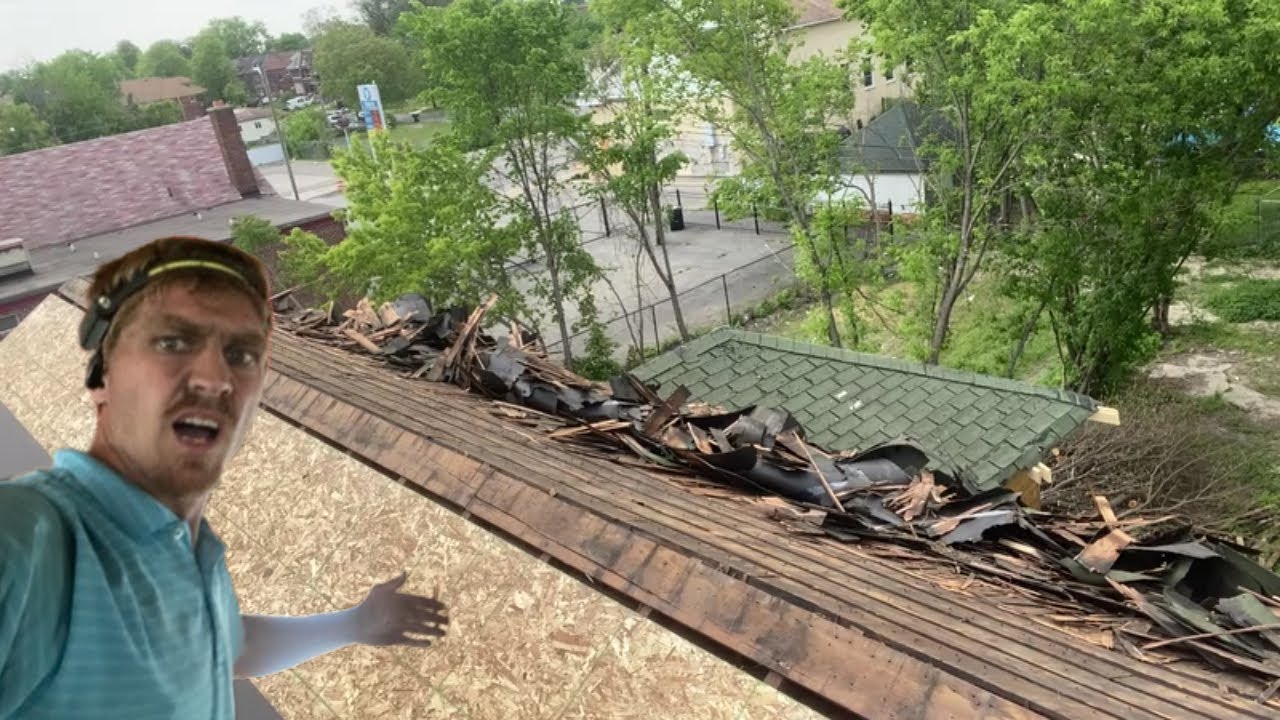

Roof access and chimney flashing repairs are best left to trained, insured tradespeople with appropriate fall protection. Tiles can crack underfoot, metal roofing can be slippery, and older roofing materials may contain asbestos. Suspected asbestos must not be drilled, cut or disturbed during an inspection or repair.
What a Proper Chimney Flashing Repair Involves
- Identify the entry point. Inspect the flashing, roof covering, rear drainage area and chimney masonry before deciding on a repair.
- Remove debris and failed materials. Clear blocked drainage paths and remove deteriorated sealant or damaged flashing as necessary without harming surrounding roofing.
- Repair supporting defects. Address loose masonry, defective mortar, damaged tiles or other faults that could compromise the new flashing.
- Install or repair the flashing system. Form compatible materials to suit the roof, with appropriate overlaps, upstands and drainage paths.
- Secure and seal correctly. Fix counterflashing into a suitable detail and use compatible sealants where specified, while allowing for thermal movement.
- Check water shedding. Inspect the completed work and, where appropriate, conduct a controlled water test to help confirm the repair.
Hosing water upward beneath overlaps does not reproduce normal rainfall and can give misleading results. Testing should be controlled and performed by the repairer, with someone monitoring inside where practical.
Is Sealant Enough to Stop a Chimney Leak?
A small, isolated failure at a correctly designed flashing joint may be suitable for a targeted sealant repair. The surface must be sound, clean and prepared according to the product instructions.
However, smearing sealant over corroded metal, open gaps or poorly arranged overlaps is not a durable substitute for correct flashing. Excess sealant can also obstruct drainage or hide defects. Widespread corrosion, split sections, insufficient coverage or recurring leaks usually call for replacement of the affected flashing assembly.
Choosing Suitable Flashing Materials
Common options include appropriately specified coated steel, aluminium and proprietary flexible flashing products. Some older chimneys have lead flashing. Material selection depends on the roof covering, exposure conditions, installation detail and manufacturer requirements.
Compatibility matters: contact between dissimilar metals, or water runoff from one metal onto another, can accelerate corrosion. Sealants, fasteners and flexible products must also be suitable for the adjoining materials. Ask your installer to explain the proposed system rather than choosing solely on appearance or price.
Local Considerations in Gosnells
Perth’s strong sun and temperature changes place stress on exposed joints and sealants, while winter rain can reveal blocked back gutters and inadequate overlaps. Inspecting before the wetter months provides an opportunity to arrange repairs before a leak causes internal damage.
Where trees overhang the roof, leaves and twigs can collect behind the chimney and slow drainage. Arrange safe removal and ask whether nearby gutters and valleys also need attention.
Repairs should follow applicable National Construction Code requirements, relevant Australian Standards and product installation instructions. If work involves structural chimney changes, removal or heritage considerations, check any approval requirements with the City of Gosnells before proceeding.
Getting a Useful Repair Quote
Choose a contractor experienced with your roof type and chimney flashing. Ask for a written scope identifying the suspected cause, whether the proposal is a patch or replacement, the materials included and any masonry repairs required.
The quote should also clarify access equipment, disposal, testing and workmanship warranty terms. Costs vary with chimney size, roof height and pitch, access difficulty and hidden damage, so an on-site assessment is more reliable than a generic price.
Preventing Future Flashing Problems
Arrange periodic inspections, especially before winter and after severe weather. Keep roof drainage clear, monitor repaired areas during subsequent rain and address new ceiling marks promptly. If the chimney is no longer used, do not assume it can simply be capped or removed without considering ventilation, structural support and roof weatherproofing.
The most dependable repair restores a complete water-shedding system. For a leaking chimney in Gosnells, a careful diagnosis and correctly detailed flashing offer better long-term protection than repeated surface patching.
Gosnells Roof Restoration
WA, 6110
(08) 6109 9623